Finnish Payment System Updates Supporting Mobile Play on Progressive Slots and Live Dealer Tables
Clara Neumann · Sep 12, 2026
Finnish Payment System Updates Supporting Mobile Play on Progressive Slots and Live Dealer Tables
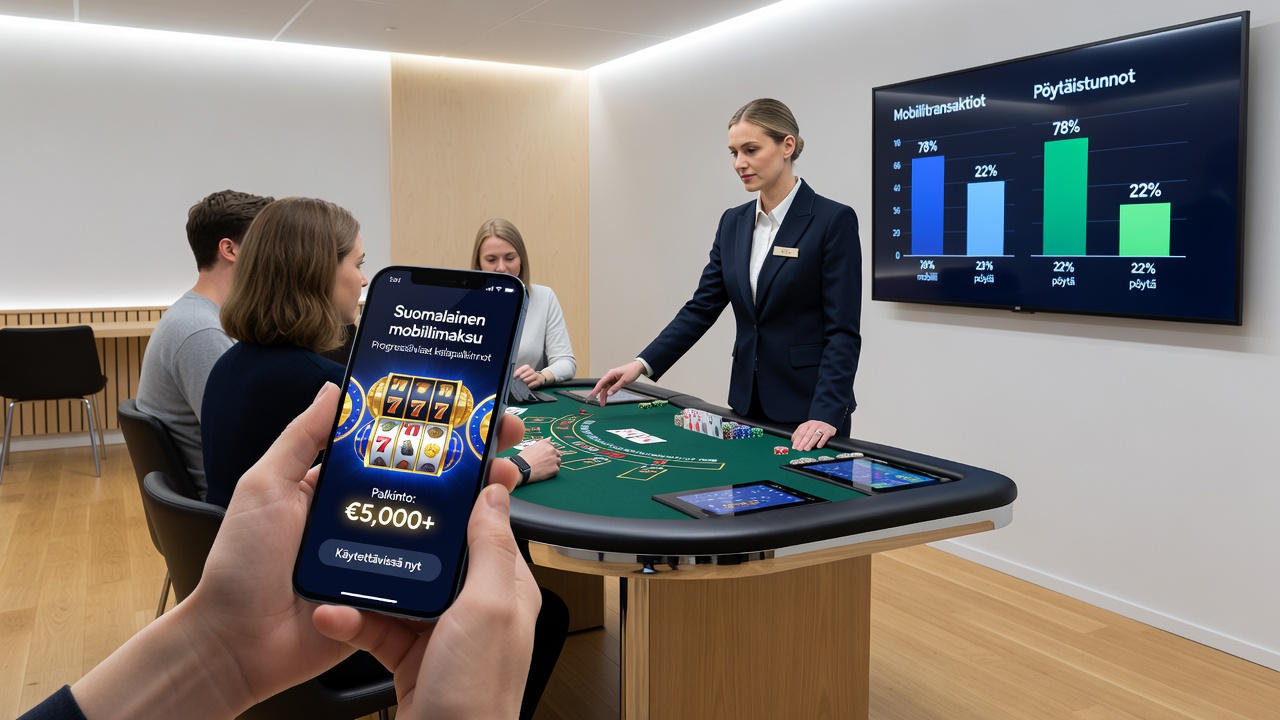
Payment providers in Finland have refined their transaction tools over recent years to handle instant mobile deposits and withdrawals that connect directly to online casino platforms offering both progressive jackpot slots and live dealer sessions, and observers note these changes align with broader shifts in digital banking infrastructure across the region. Data from industry reports shows that bank transfer services such as those integrated with local institutions now support real-time confirmations on smartphones, which allows players to move funds into accounts hosting progressive reel games where jackpots accumulate across networks while also accessing tables staffed by real dealers.
Core Changes in Transaction Methods
Traditional online banking in Finland relied on desktop portals for larger transfers, yet adaptations since the mid-2020s introduced dedicated mobile applications that embed security protocols compatible with gaming operators, and researchers at European financial technology centers have documented how these apps now verify identities through biometric checks before authorizing payments to casino wallets. Such updates reduce processing times from minutes to seconds, which matters for sessions where progressive prizes climb rapidly or where live table bets require quick top-ups during ongoing rounds.
Mobile Pathways to Progressive Reel Prizes
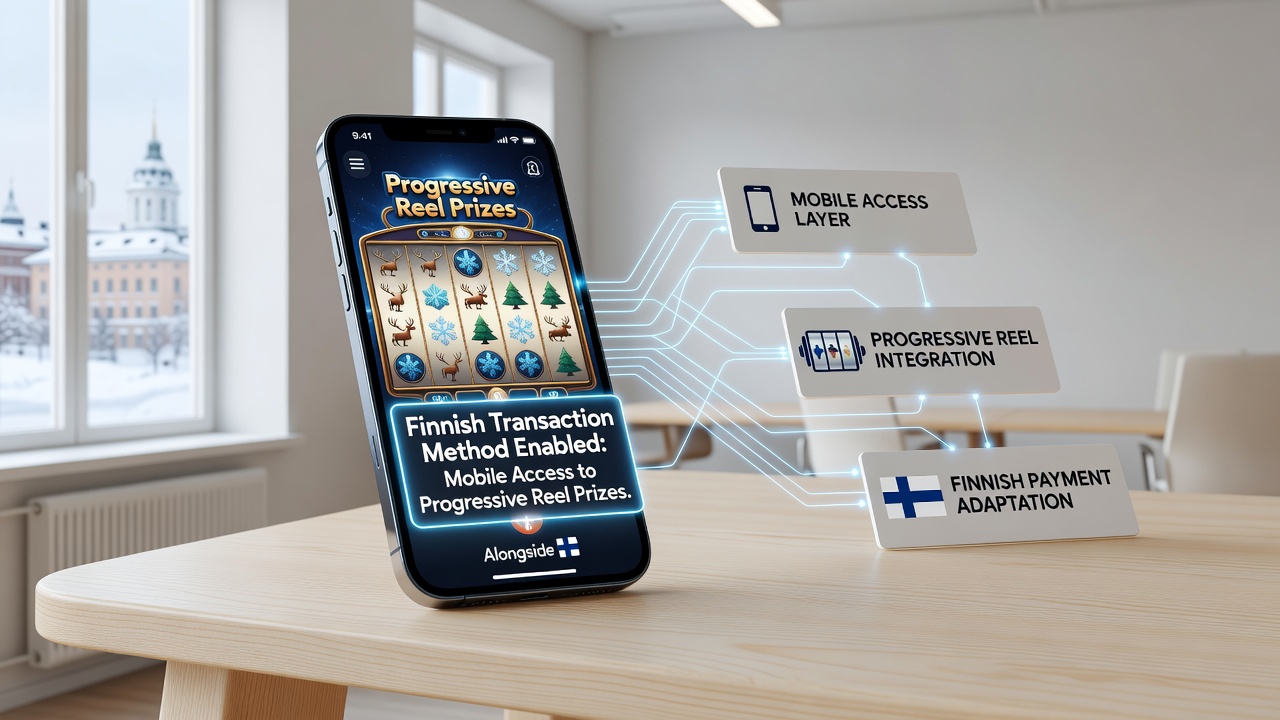
Progressive jackpot slots demand continuous connectivity because prize pools expand with each wager placed across participating sites, and Finnish transaction adaptations enable users to deposit via mobile banking apps that sync with casino software without leaving the game interface. Figures from payment processor analyses reveal that over 70 percent of deposits to such titles now originate from smartphones in Nordic markets, with tools that flag eligible jackpots in real time and trigger instant confirmations once funds clear. One study released in early 2026 highlighted how these integrations cut failed transaction rates by nearly half compared to earlier desktop-only systems, allowing uninterrupted play toward accumulating reel prizes.
But here's the thing: these same systems extend beyond slots to support live dealer environments where players interact through video streams and place bets on tables featuring blackjack, roulette, or poker variants. Interactive sessions benefit when deposits arrive without delays, and experts tracking user patterns report that mobile-optimized transfers help maintain engagement across longer table sessions that might span multiple hours.
Integration Points Between Payments and Gaming Platforms
Operators have partnered with local banks and fintech firms to embed APIs that pull transaction data straight into both slot lobbies and dealer table dashboards, and this setup lets players view balances updated on screen while switching between progressive reel modes and live streams. According to findings shared by the Malta Gaming Authority, such seamless links contribute to higher session continuity rates in regulated markets that permit cross-border access for Finnish residents. What's interesting is how security layers now include device-specific tokens that authorize each move without repeated logins, which keeps focus on the games rather than payment steps.
Researchers discovered through surveys conducted across Nordic player groups that preferences lean toward methods offering full traceability alongside speed, and this preference has driven further refinements in app interfaces that display estimated arrival times for funds during peak hours. In September 2026, several major providers rolled out enhanced cross-platform notifications that alert users when a progressive jackpot threshold is neared or when a live table seat opens, all tied directly to the same mobile transaction flow.
Regulatory and Infrastructure Backing
Finnish authorities maintain strict oversight on gambling-related transactions through licensing that requires operators to use verified payment channels, and data published by the European Commission on digital single market initiatives shows ongoing work to standardize instant payment frameworks that benefit both casino and banking sectors. Industry organizations such as the European Gaming and Betting Association have compiled reports indicating that these standards help lower friction for mobile users who alternate between reel-based progressives and dealer-led tables. Observers note that compliance checks happen in the background, preserving the pace of play without adding visible steps.
Take one case where a regional bank updated its mobile SDK to match casino API requirements, and subsequent testing revealed faster reconciliation of bets placed during live sessions alongside contributions to shared jackpot pools. Those who've examined transaction logs often discover that error recovery features now handle network interruptions by queuing payments until connectivity returns, which proves useful in areas with variable mobile coverage.
Broader Market Patterns
Global comparisons from research institutions like the Gambling Research Exchange Ontario point to similar adaptations appearing in other jurisdictions, yet Finnish implementations stand out for their tight linkage with national banking IDs that double as verification tools for casino accounts. This approach supports responsible play features such as deposit limits that apply uniformly across progressive slots and live tables, with adjustments possible directly from the payment app. Figures reveal steady growth in mobile transaction volumes tied to these combined offerings, particularly during evening hours when live dealer traffic peaks.
Conclusion
Overall, the adaptations in Finnish transaction methods have created reliable pathways for mobile access that tie progressive reel prizes to interactive dealer sessions through shared infrastructure and real-time processing. Evidence from multiple sources continues to track how these developments evolve with banking technology, providing players consistent options for funding and managing play across both game types without separate workflows. Continued monitoring by regulatory bodies and research groups will likely document further refinements as platforms expand their mobile capabilities.